Database
SQL, NoSQL, query optimization, and data modeling.
No articles found

Hierarchical Tree Structures in MySQL
A relational database stores data in flat tables rows and columns. But real-world data is often hierarchical: a company has departments, departments have teams, teams have employees. File systems have folders inside folders. Comment threads have replies inside replies. The challenge is that SQL tables have no built-in concept of "parent" or "child". We have to model that relationship ourselves. This article covers two ways to do it, using a company org chart as the running example.

MySQL DBA Mastery: Administration & Performance Guide
A complete and practical MySQL administration and performance guide covering user management, SSL configuration, database backup & restore, grants, monitoring, query optimization, troubleshooting, and production-ready DBA operations.
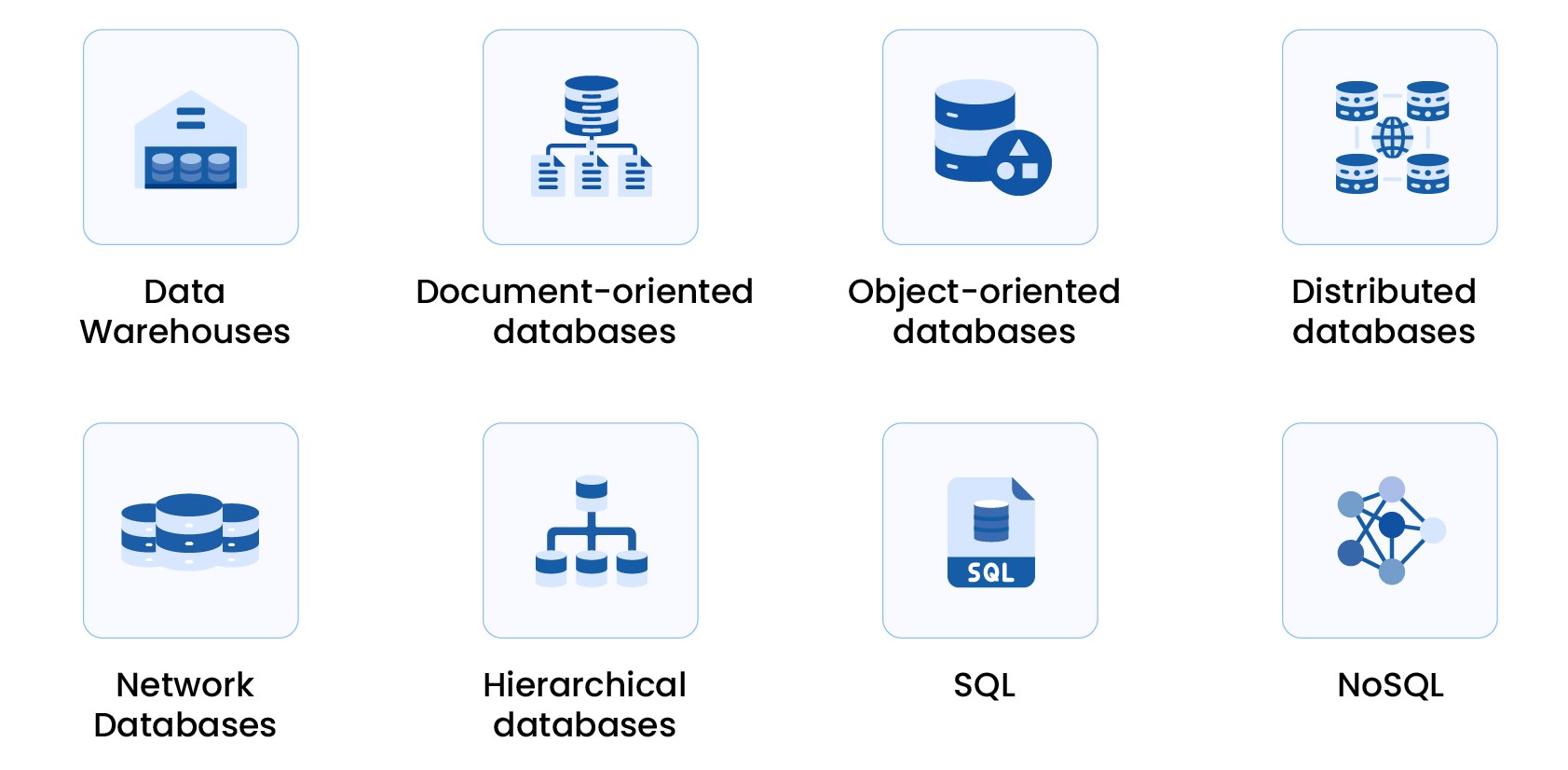
Types of Databases
1. Blockchain Database Description: - Ensures data integrity and security. - Supports decentralized applications. - Ideal for transactional data recording in a secure and distributed manner. Exam...
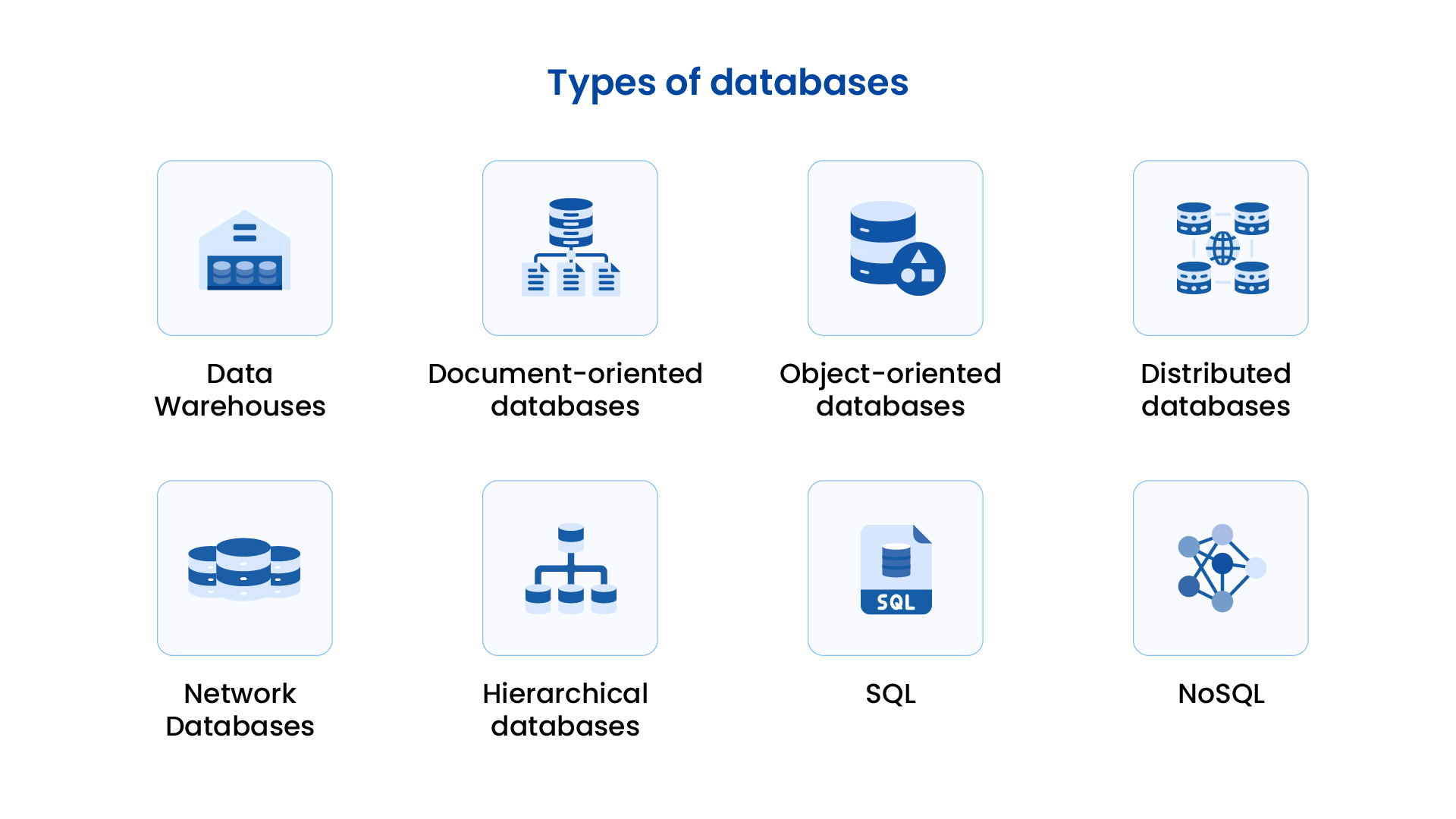
Making the Right Database Choice
Understanding Database Types Relational Databases: Traditional databases such as MySQL, PostgreSQL, and Oracle, which use structured query language (SQL) and maintain ACID (Atomicity, Consistency,...
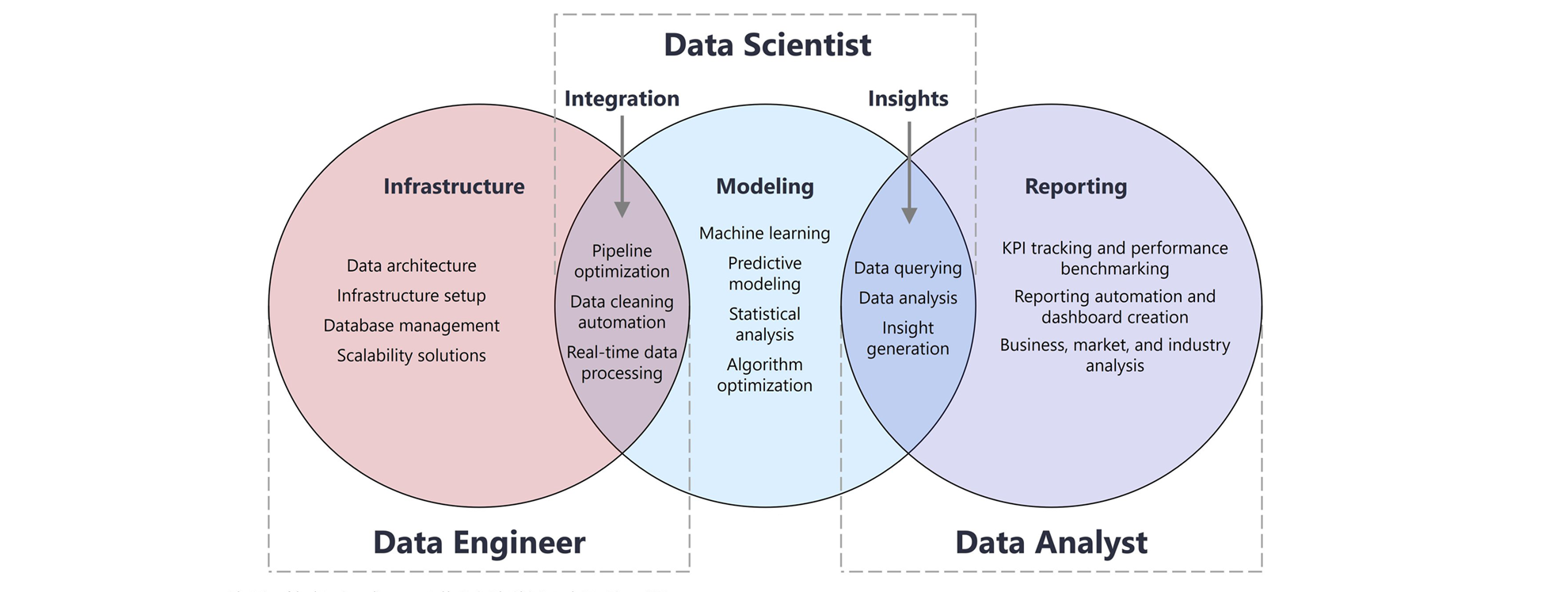
Data Engineer vs Data Analyst vs Data Scientist
In today’s data-driven world, three roles frequently emerge: Data Engineer, Data Analyst, and Data Scientist, and . While these roles might seem similar at first glance, each one plays a unique part i...
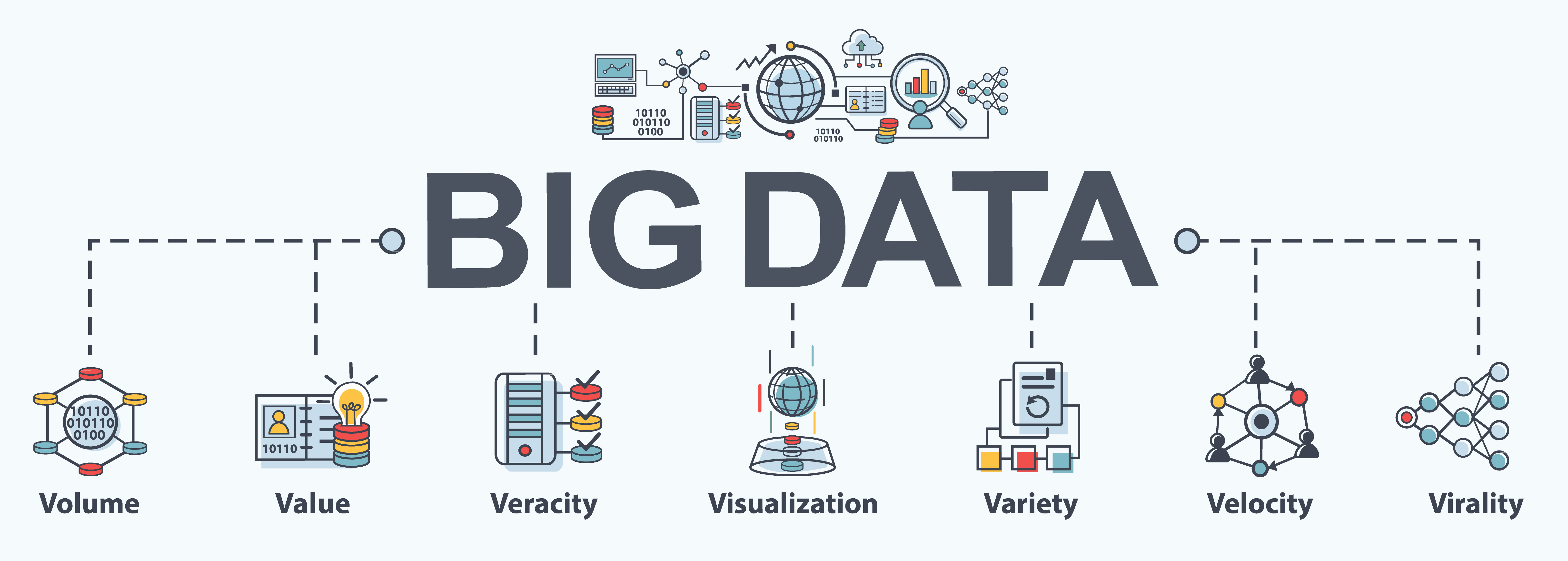
The Growing Power of Big Data: From Information to Insight
In today's fast-paced digital world, data is the new gold. It’s not just a buzzword—it’s transforming the way we live, work, and think. Much like a tree growing larger with every passing year, sheddin...
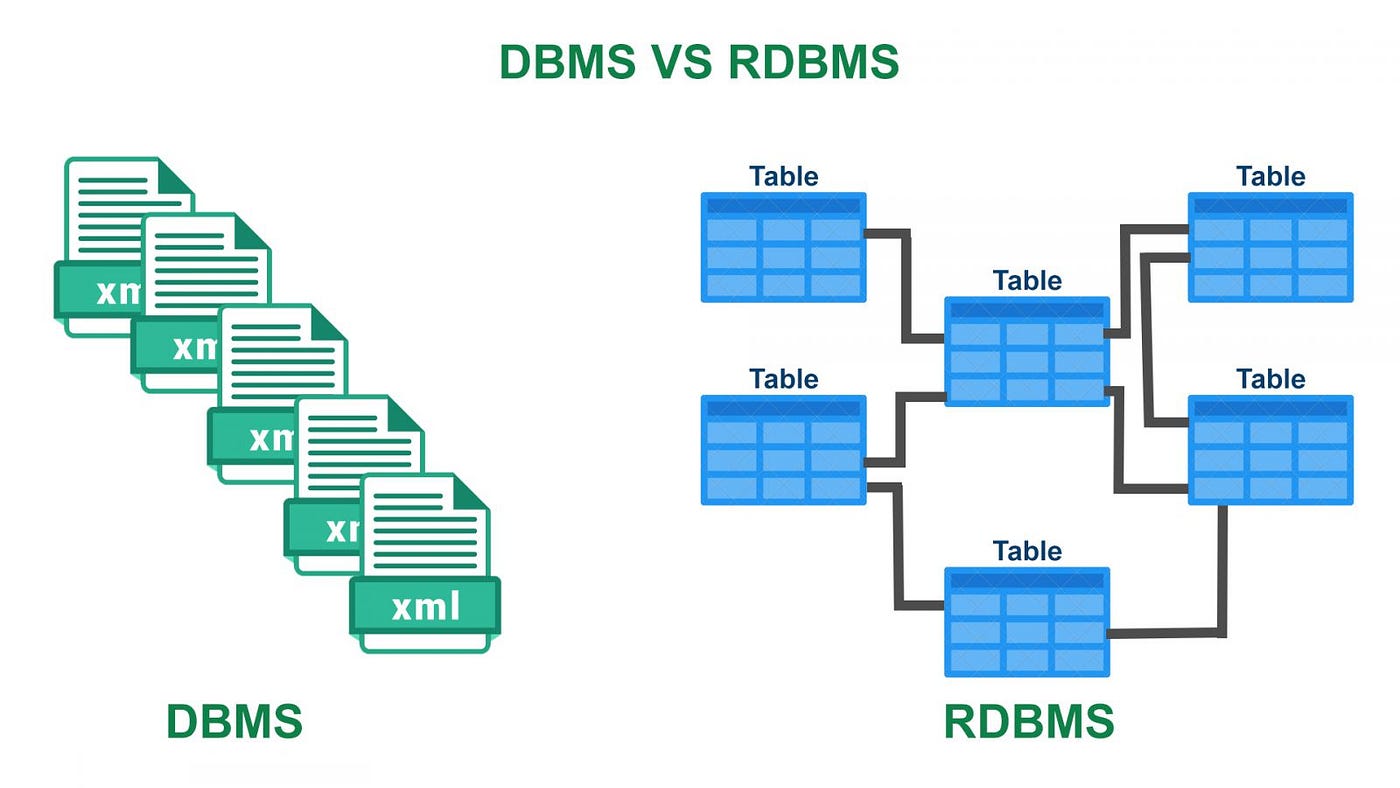
DBMS vs RDBMS
DBMS, which stands for Database Management System, is a broader category of systems that handle storing, organizing, and manipulating data. On the other hand, RDBMS, or Relational Database Management System, is a specific type of DBMS that follows a structured approach. Here's a breakdown of the key differences:
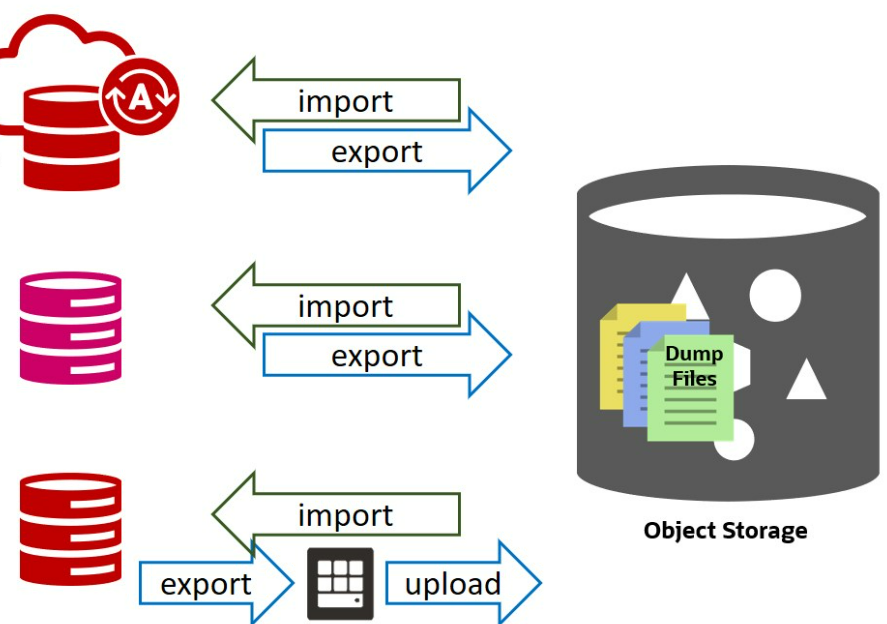
Import Mysql on Google Cloud
In the Cloud Shell of the ProjectFollow the URLhttps://cloud.google.com/sql/docs/mysql/import-export/import-export-sql#gcloud_11. Create a Cloud Storage bucket.Upload the file to your bucket.2. For he...
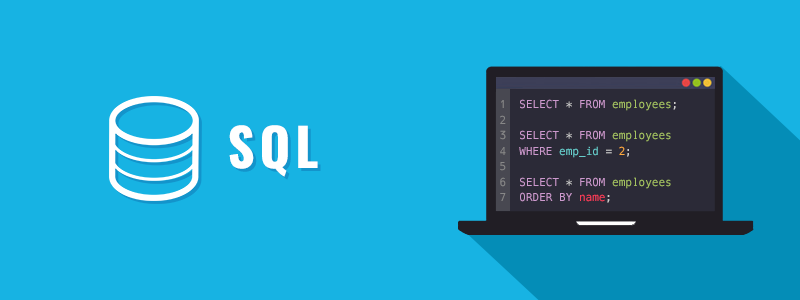
SQL
Structured Query Language